
Pressure swings, dripping discharge pipes and repeated boiler faults can point to an expansion vessel problem, but safe checks can help identify the cause.
Blog
Boiler Expansion Vessel Problems: Signs, Causes & What to Do
Heatfire Ltd
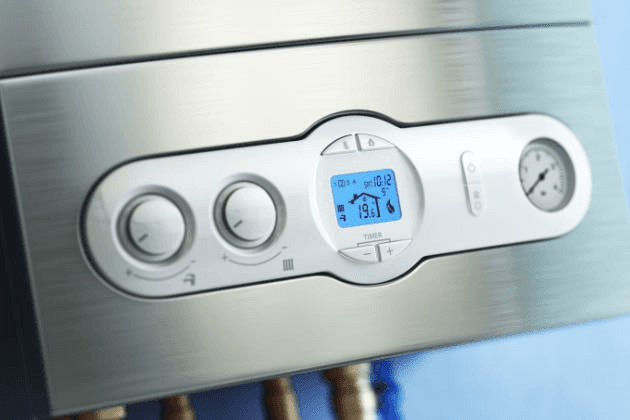
A boiler expansion vessel problem can cause pressure to rise sharply when the heating is on, fall again when the system cools and leave you repeatedly reaching for the filling loop. These symptoms can also be linked to leaks or other components, so understanding the signs can help you describe the fault accurately and arrange the right boiler repair.
What the expansion vessel does
A sealed central heating system contains water that expands as it heats. The expansion vessel, usually located inside the boiler, provides a cushion for this extra volume so the pressure remains within a safe working range.
The vessel contains air or nitrogen on one side of a flexible diaphragm and system water on the other. If the diaphragm fails or the air charge is lost, there is less room for expansion. Pressure can then climb too high when the boiler is running and drop noticeably once the system cools.
Common signs of a faulty vessel
Expansion vessel faults often develop gradually. You may first notice the pressure gauge moving further than usual, followed by discharge from the pressure relief pipe or a boiler that stops with a pressure-related fault code.
Pressure is low when cold but rises close to the red zone when hot.
You need to top up the boiler pressure frequently.
The pressure relief pipe outside drips or releases water while the heating runs.
You hear banging, knocking or expansion noises from the boiler or heating system.
The boiler locks out because the pressure is too low or too high.
A dripping pipe outside is particularly useful evidence. This is normally the discharge pipe connected to the pressure relief valve, which opens to release water if system pressure becomes excessive. Once it has opened, the valve may not reseal properly, meaning a vessel fault can lead to a continuing drip even after the pressure appears to return to normal.
Components that can cause similar symptoms
Pressure relief valve
The pressure relief valve, often called the PRV, is a safety device designed to protect the heating system from excessive pressure. It may discharge because the expansion vessel is not controlling expansion, but the valve itself can also become dirty, worn or unable to close fully.
Filling loop
The filling loop adds mains water to a sealed heating system when pressure is too low. If it is left open, or its valves do not close properly, water can continually enter the system and push the pressure upwards. Only use it to restore pressure as instructed for your boiler, then make sure it is fully closed.
Sealed system leaks
A leak from a radiator valve, pipe joint, radiator or boiler can also cause repeated pressure loss and frequent topping up. Unlike a vessel fault, a leak may leave visible moisture, staining or corrosion, although some leaks are small and difficult to see.
Safe checks before booking a repair
Start by looking at the pressure gauge when the boiler and heating system are completely cold. Many systems sit around 1 to 1.5 bar when cold, but you should follow the pressure range stated in your boiler manual.
Then note the reading again after the heating has been running for a while. A modest increase is normal, but a large swing towards the red zone, followed by a significant fall when cold, is useful information for an engineer. Never remove the boiler casing or attempt to adjust the vessel air charge yourself.
Check the discharge pipe outside, usually a copper pipe terminating near an external wall, for dripping or signs of recent water discharge. Also look around accessible radiators, valves and pipework for damp patches, but do not touch hot components.
Professional repair options
An engineer may test and recharge the expansion vessel if its diaphragm is intact but the air charge has been lost. If the vessel has failed or cannot hold pressure, replacement may be needed, sometimes using an external vessel where access inside the boiler is restricted.
The pressure relief valve should also be checked, particularly if it has been discharging water. A qualified professional can inspect the sealed system, filling loop and accessible pipework for leaks before restoring the correct pressure and testing the boiler safely.
Arrange a boiler repair
Do not keep repeatedly topping up a boiler without finding the cause, as fresh mains water introduces oxygen and minerals that can contribute to corrosion and sludge. If you are seeing pressure swings, outdoor discharge or pressure-related lockouts, contact Heatfire Ltd on 01902239130 to book a boiler repair.
A regular service plan can also help reduce repeat breakdowns by identifying pressure, safety and component issues earlier. Prompt professional attention can protect your heating system, improve reliability and help keep your home warm safely.
Other Articles


