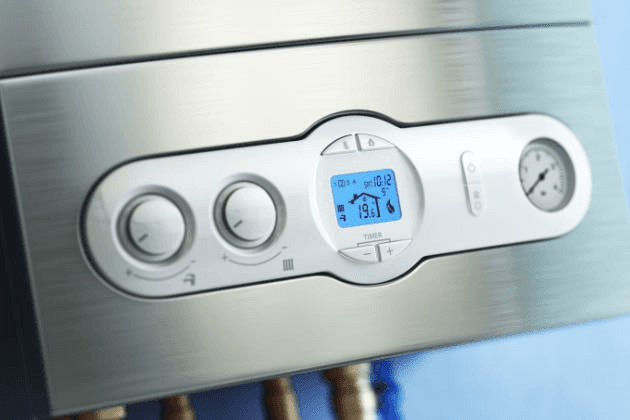
A straightforward guide to using your boiler’s filling loop safely and knowing when to call in a professional.
Blog
How to Top Up Boiler Pressure Safely Using the Filling Loop
Heatfire Ltd

If your boiler pressure has dipped, the filling loop lets you top it up so your heating and hot water keep working properly. Used correctly, it is a simple job, but done wrongly it can cause leaks, faults and extra stress on your system.
What a boiler filling loop is and how it works
A filling loop is the small section of pipework used to add water from the mains supply into your heating system. By adding water, you increase the pressure shown on the boiler gauge.
Most boilers are sealed systems, so they rely on this loop for occasional top-ups. The pressure should usually sit around 1.0 to 1.5 bar when the system is cold, but always check your specific boiler manual for the recommended range.
Where to find your filling loop
Filling loops are not all in the same place, so it helps to know what you are looking for before you start. There are two common types in homes.
External braided hose: A silver flexible hose below the boiler with one or two small black or blue levers or tap-style valves.
Internal or keyless system: A built-in valve under the boiler casing, sometimes with a small white or grey lever or a plastic filling key that slots into a housing.
On combi boilers, the filling loop is usually just underneath the boiler. In airing cupboards or system boilers, it may be near the hot water cylinder or close to the main heating pipework. If you are unsure, refer to the boiler manual, as this will show the exact position and type for your model.
When it is safe to top up boiler pressure
It is generally fine for a homeowner to top up pressure if the drop is occasional and there are no signs of a wider fault. A small drop after bleeding radiators is very common.
In most homes, it is acceptable to top up if:
The pressure has dipped slightly below the recommended cold level, you have recently bled radiators, and there are no obvious leaks or warning lights on the boiler display.
Keep a note of how often you need to add water. If you find yourself topping up more than every few months, that usually points to an underlying issue that needs a Gas Safe engineer.
When you should not top up pressure yourself
There are times when adding water can mask a fault or even make things worse. In these situations it is safer to stop and get expert help.
Avoid topping up and call an engineer if:
You are losing pressure every day or every few days, you can see any leaks on pipework, radiators or around the boiler, or the copper discharge pipe outside is dripping or constantly wet. These signs often point to a failing component such as a pressure relief valve or expansion vessel.
If your boiler frequently locks out or shows fault codes alongside low pressure, that is another sign to involve a professional rather than repeatedly topping up.
Step-by-step guide to using a boiler filling loop
1. Switch the heating off and let the system cool
Turn off the heating and, if it has been running, give it at least 30 minutes to cool. This gives you a more accurate cold pressure reading and reduces the chance of scalding from hot pipework.
2. Check the current pressure
Find the pressure gauge on the front of the boiler or on nearby pipework. Note the reading when the system is cold. Aim to top up to the manufacturer’s recommended cold pressure, usually around 1.0 to 1.5 bar.
3. Prepare the filling loop
For an external braided hose, ensure both valves are currently off. Typically, the lever is in line with the pipe when on and across the pipe when off. If the hose has been removed, reconnect it firmly with the washers in place to avoid leaks.
For internal or key systems, insert the filling key as shown in your manual, or locate the small lever designed for filling. Never force a key or lever that does not seem to fit or move properly.
4. Open the valves slowly
Turn one valve to the open position, then gently open the second. You should hear water flowing. Watch the pressure gauge while you do this, as it can rise quickly on some systems.
If the pressure shoots up very fast, close the valves, wait a moment and try again more gradually. Slow and steady is safer than rushing.
5. Stop at the correct pressure and close the valves
As soon as the gauge reaches the correct cold pressure, close both valves fully. This is crucial, as a valve left slightly open can continue to add water and over-pressurise the system.
For external hoses, once the valves are off and cool, you can remove the hose if your manual advises doing so. For keyed systems, remove the key and store it safely.
6. Bleed radiators if needed and re-check pressure
If you have any radiators that feel cool at the top and warm at the bottom, bleed them after topping up. Keep a cloth and container handy to catch any drips, and always use a proper radiator key.
Bleeding can cause the pressure to drop slightly again, so check the gauge afterwards. If needed, repeat the filling process in small steps until the pressure is back in the correct range.
Troubleshooting common filling loop problems
If the valve will not turn, do not force it with pliers or excessive force, as this can snap the valve or cause leaks. A stuck valve is a good reason to call a Gas Safe engineer.
If you cannot find a filling loop, it could be integrated or removed previously. Your boiler manual will show the correct arrangement. Never try to improvise with hoses or fittings that are not designed for your system.
Some boilers use different types of filling keys, which must be the right match for your model. Using the wrong key or inserting it incorrectly can damage the housing and cause drips.
If the pressure rises too fast, or shoots beyond 2 bar, close the valves straight away. You may need an engineer to check the expansion vessel or pressure relief valve to be sure the system is safe.
FAQs about boiler filling loops and pressure
How often should I need to top up my boiler pressure?
Most sealed systems should only need topping up a few times a year at most. If you are doing it monthly or more, there is likely a leak or faulty component that needs attention.
Can I use the boiler if the pressure is slightly low?
If the pressure is just under the recommended level, the boiler may still run, but it will not be as efficient and is more likely to lock out. It is better to top up to the correct range if it is safe to do so.
Is it dangerous if the pressure is too high?
High pressure puts extra strain on your boiler and pipework. Modern boilers have safety devices to relieve pressure, but if your gauge is above the green zone when cold, you should get it checked by an engineer.
When to call a Gas Safe engineer and how Heatfire Ltd can help
Stop topping up and contact a Gas Safe engineer if you have persistent pressure loss, visible leaks, a dripping discharge pipe outside, stuck or damaged filling valves, or repeated boiler lockouts and fault codes. These all point to a fault that needs professional diagnosis.
If you are unsure at any stage, it is always safer to ask for help rather than risk damaging your boiler. For expert boiler repairs, pressure issues and regular servicing, contact Heatfire Ltd on 01902239130. A qualified engineer can check your system, fix any underlying problems and give you peace of mind that your boiler is running safely and efficiently.
Other Articles