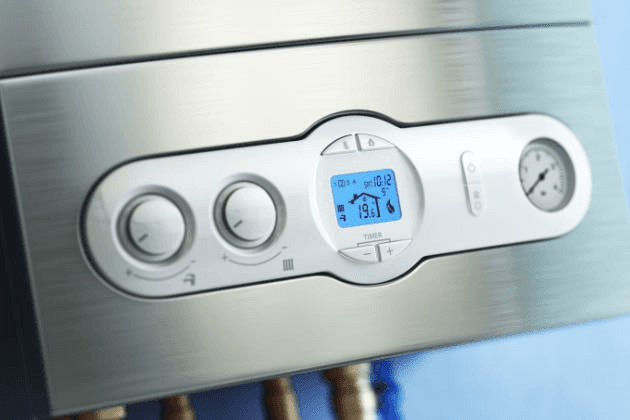
Understand how a magnetic filter can protect your boiler, reduce breakdowns and keep your heating running smoothly.
Blog
Do You Need a Magnetic Filter on Your Boiler System?

If you have had issues with cold radiators, noisy pipes or a temperamental boiler, you might have been told a magnetic filter could help. Before spending money, it is worth understanding what these filters actually do and whether your heating system would benefit.
What magnetite sludge is and why it forms
Inside a typical central heating system you have a mix of water and metal components. Over time, oxygen in the water reacts with the steel in radiators and pipework, creating a fine black rust called magnetite.
This magnetite builds up into a thick, inky sludge that settles in radiators and low points in the system. Left untreated, it can restrict water flow, reduce heat output and put extra strain on your boiler and pump.
Signs of magnetite sludge include radiators that are hot at the top but cold at the bottom, kettling or banging noises from the boiler, and water that looks black and dirty when radiators are bled.
How a magnetic boiler filter works
A magnetic filter is a small canister fitted to your heating pipework, usually on the return pipe just before the boiler. This is the pipe bringing cooler water back from your radiators into the boiler to be reheated.
Inside the canister is a powerful magnet along with a chamber that slows the water slightly. As the water passes through, any magnetite particles are attracted to the magnet and held there instead of circulating round the system.
Over time, the filter collects a surprising amount of sludge that would otherwise end up in your boiler’s heat exchanger, the pump and the smaller pipework inside the boiler.
Key problems a magnetic filter helps prevent
By trapping sludge before it reaches delicate components, a magnetic filter helps reduce several common issues:
Blocked heat exchanger leading to boiler lockouts and reduced efficiency
Noisy system with kettling, gurgling or banging from restricted water flow
Cold spots in radiators where sludge has settled and stopped heat spreading evenly
Pump problems caused by debris damaging bearings or blocking the impeller
None of these faults are pleasant to live with, and they often show up just when you need heating most. A filter is essentially a long term protection measure to cut the risk.
When a magnetic filter is recommended
A magnetic filter is not a magic cure for every heating problem, but there are situations where it is strongly recommended. The first is when you are having a new boiler installed onto an existing system with older radiators and pipework.
In that case, there is usually some level of existing sludge, even after the system has been cleaned. Fitting a filter helps protect your new boiler from the remaining debris and the sludge that will continue to form naturally over time.
It is also wise to fit a filter if you have recurring radiator cold spots or if you have just invested in a powerflush to deep clean the system. Adding a filter after a powerflush helps keep the water cleaner for longer and protects your investment in the cleaning work.
Magnetic filters and BS 7593 best practice
BS 7593 is a British guideline for looking after water in heating systems. You do not need to know the technical details, but the basic message is simple: if you want a reliable system, you should treat the water properly.
In plain terms, best practice usually means three steps working together:
System cleaning to remove existing sludge and debris
Adding inhibitor chemicals to slow down future corrosion and sludge build up
Ongoing filtration such as a magnetic filter to capture particles as they form
No single step is enough on its own. Cleaning without inhibitor means sludge will quickly come back, and inhibitor without filtration means any debris has to pass through your boiler repeatedly. A magnetic filter is one part of a joined up approach to water treatment, not a stand alone fix.
Maintenance and looking after your filter
Once fitted, a magnetic filter is very low maintenance for the homeowner. The key is making sure it is properly cleaned as part of your boiler’s annual service.
During a service, an engineer will usually isolate the filter, open it, remove the magnet and clean away the collected sludge before putting it back together and checking for leaks. On systems with heavy contamination, it might need more frequent attention at first.
If your engineer finds the filter is filling up quickly each year, that can be a sign that further cleaning, such as powerflushing, or additional inhibitor is needed to get the corrosion under control.
Magnetic filters, reliability and boiler warranties
Modern boilers have narrower waterways and more compact heat exchangers, which makes them efficient but also more sensitive to dirty system water. Boiler manufacturers are increasingly linking their warranties to proper water treatment.
Many manufacturers strongly recommend or specify the use of a filter as part of a full water treatment package that includes cleaning and inhibitor. If sludge causes a blockage or internal damage and there is evidence of poor water quality, some warranty claims can be rejected.
Having a filter, with proof it has been fitted and maintained alongside regular servicing, can support warranty conditions and provide reassurance that you are looking after the system in line with manufacturer guidance.
Common questions about magnetic filters
Is a magnetic filter mandatory?
A magnetic filter is not generally a legal requirement, and many older systems are running without one. However, for new boiler installations and for systems with known sludge issues, most good installers will strongly recommend fitting one.
Think of it as an added layer of protection. It is not compulsory in many cases, but it is often considered good practice and is increasingly expected by manufacturers and insurers.
Will it void my boiler warranty if I do not have one?
Not having a magnetic filter does not automatically void a boiler warranty, but poor water quality can. The key requirement is usually that the system is cleaned and treated with inhibitor and that the boiler is serviced regularly.
Because filters help keep the water cleaner, they support those warranty conditions. Some extended warranty schemes or care plans may list a filter as part of their terms, so it is worth checking the small print for your particular boiler model.
Can I clean a magnetic filter myself?
Although cleaning looks straightforward in online videos, it involves isolating sections of pipework, opening pressurised components and ensuring everything is properly reassembled and leak free. Mistakes can be messy, costly and unsafe.
It is far safer to have a Gas Safe registered engineer handle filter cleaning during your annual boiler service. They can also test inhibitor levels, check overall water quality and advise whether further work such as powerflushing would be beneficial.
Next steps for your heating system
If you are unsure how clean your system water is or whether a magnetic filter would be worthwhile, the best starting point is a boiler service or system health check. A qualified engineer can assess your radiators, test the water and talk you through options.
You can then decide on the right mix of measures for your home, such as regular boiler servicing and, where needed, powerflushing combined with filtration and inhibitor.
To get clear, tailored advice for your property, contact Heatfire Ltd to book a boiler service or system health check and find out whether your system would benefit from a magnetic filter and water treatment. Call us on 01902239130 to arrange an appointment at a time that suits you.
Other Articles